Empowering Nurses with AI
A clinical decision support tool designed for frontline health workers in rural India, powered by generative AI.
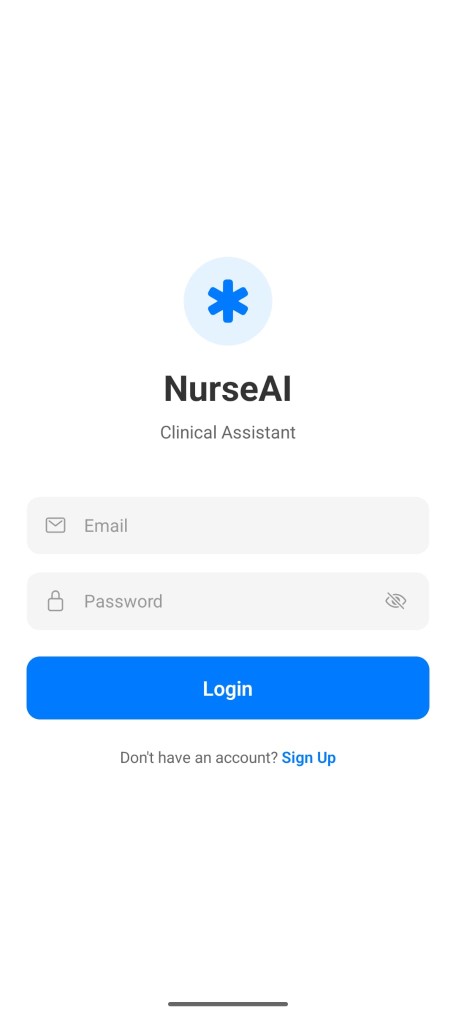
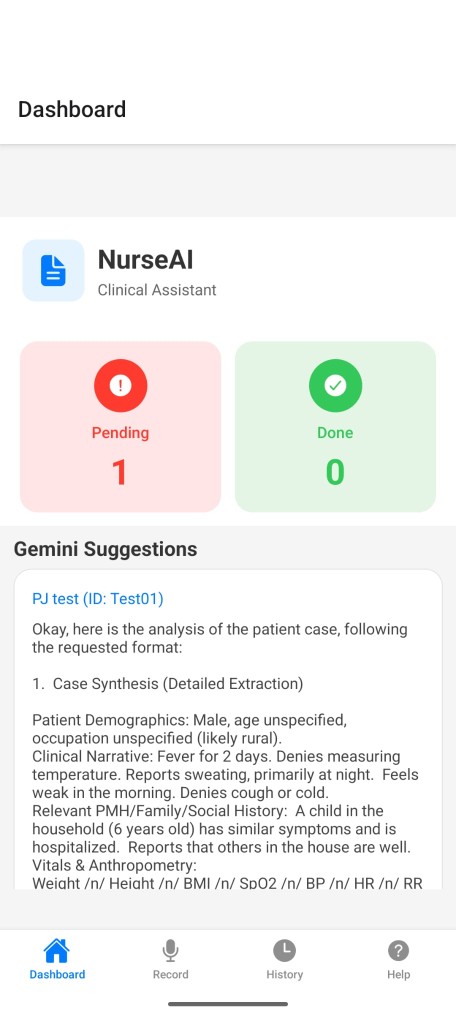
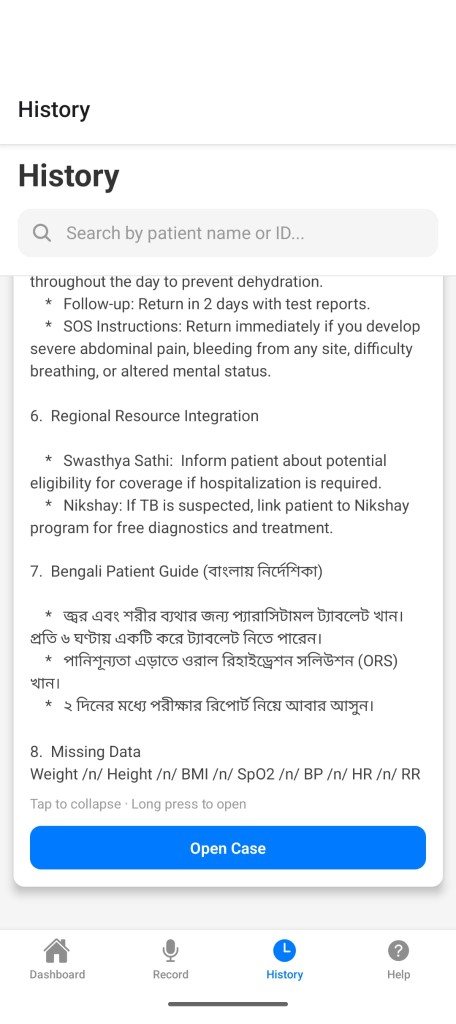
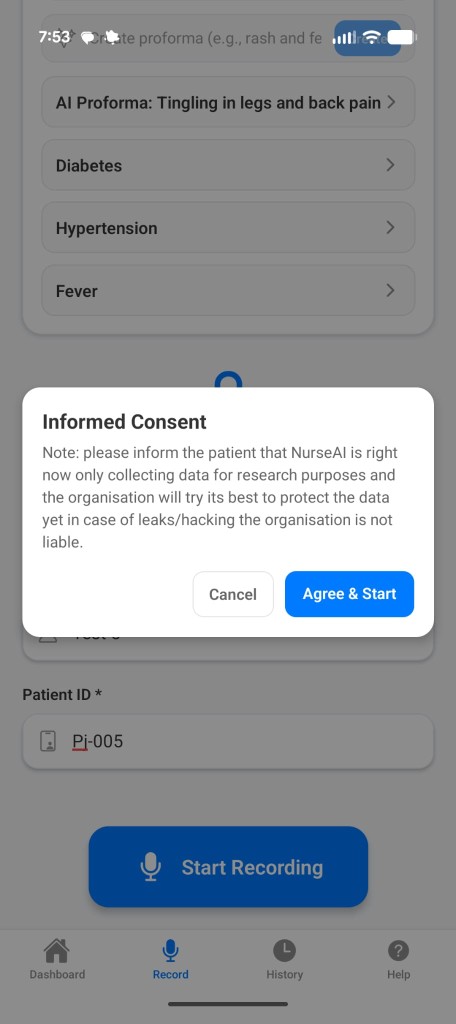
A clinical decision support tool designed for frontline health workers in rural India, powered by generative AI.
Bridging the healthcare gap in rural India through AI-powered clinical decision support.
Rural India, predominantly underserved and low-resourced, is home to 68% of the national population, and is served by only 31% of the country's licensed physicians. The large disparity in physician availability significantly restricts people's access to good-quality healthcare. Nurses and midwives account for 39% of the total health workforce in India and can be upskilled using a generative artificial intelligence (AI) based clinical decision support tool (CDST) to treat common symptoms and conditions presenting in primary health care settings. Here, we describe the development process and performance metrics of a CDST for the treatment of fever, breathlessness, musculoskeletal pain, hypertension, and diabetes mellitus deployed in Birbhum and Purulia districts of West Bengal, India.
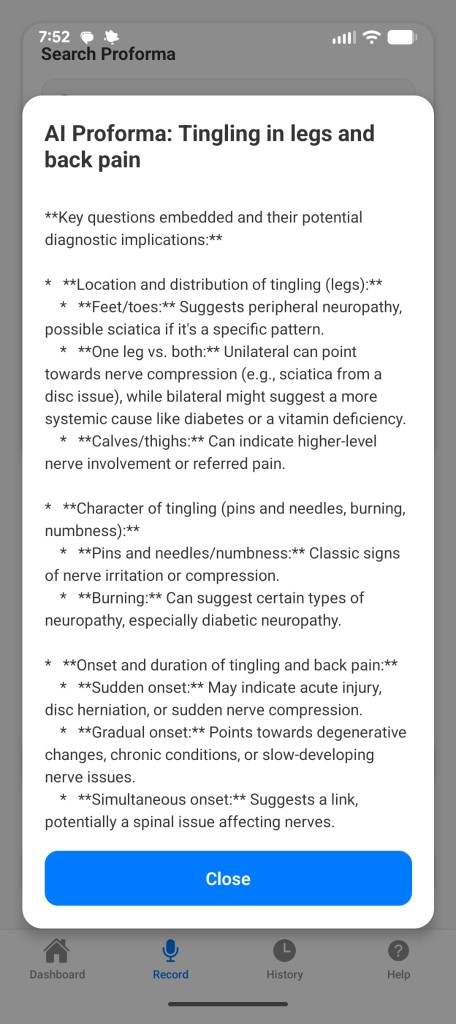
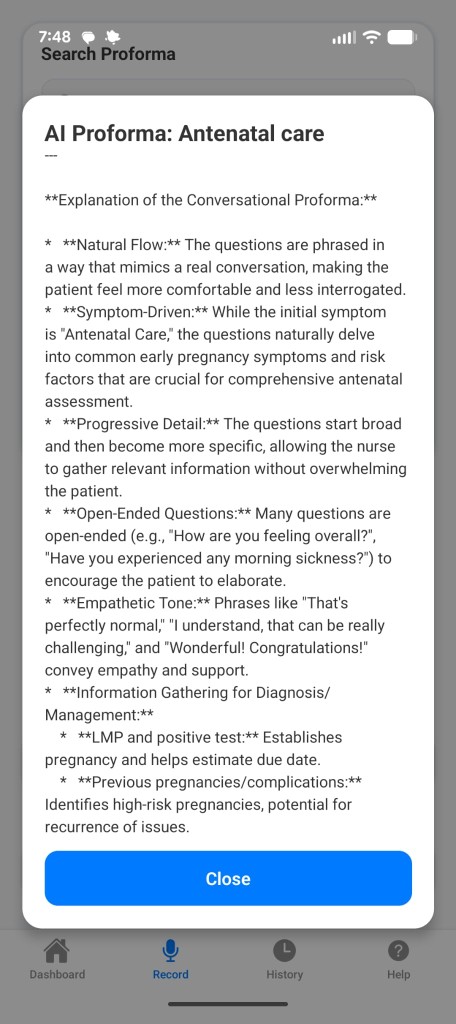
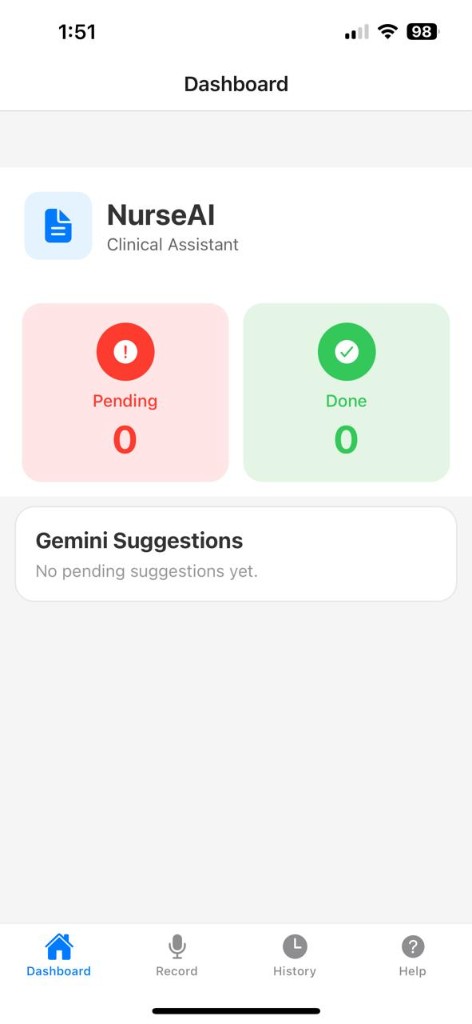
First, we determined a pipeline architecture that our CDST follows: an elaborate Gemini instruction which ensures ease of usage for the nurses, establishes guardrails and gives a definite role to the AI. Second, we conducted a survey with the nurses which determined that nurses find it easier to operate with an application, so we wrapped the whole pipeline into the NurseAI application. Third, we created a proforma builder using an elaborate Gemini instruction which is visible to the nurses while the audio recording is going on and can create custom proformas to guide the nurses if they feel lost or confused. Finally, we made the app keep patient-wise history so when a suggestion is made, the AI has contextual memory of the patient's history as well.
Validation metrics from 33 real nurse-patient audio recordings. Zero failures. Negligible pipeline overhead.